The AI Wealth Wave: How Tech Capital is Reshaping San Francisco’s Marina District
San Francisco is undergoing a profound economic transformation. As the global epicenter of artificial intelligence, the Bay Area continues to capture roughly 60% of all AI venture capital funding—amounting to an astonishing $126 billion influx of capital.
While neighborhoods like SoMa and Hayes Valley have long been designated as "Area AI" for office space, the residential footprint of this wealth is landing somewhere entirely different: The Marina District.
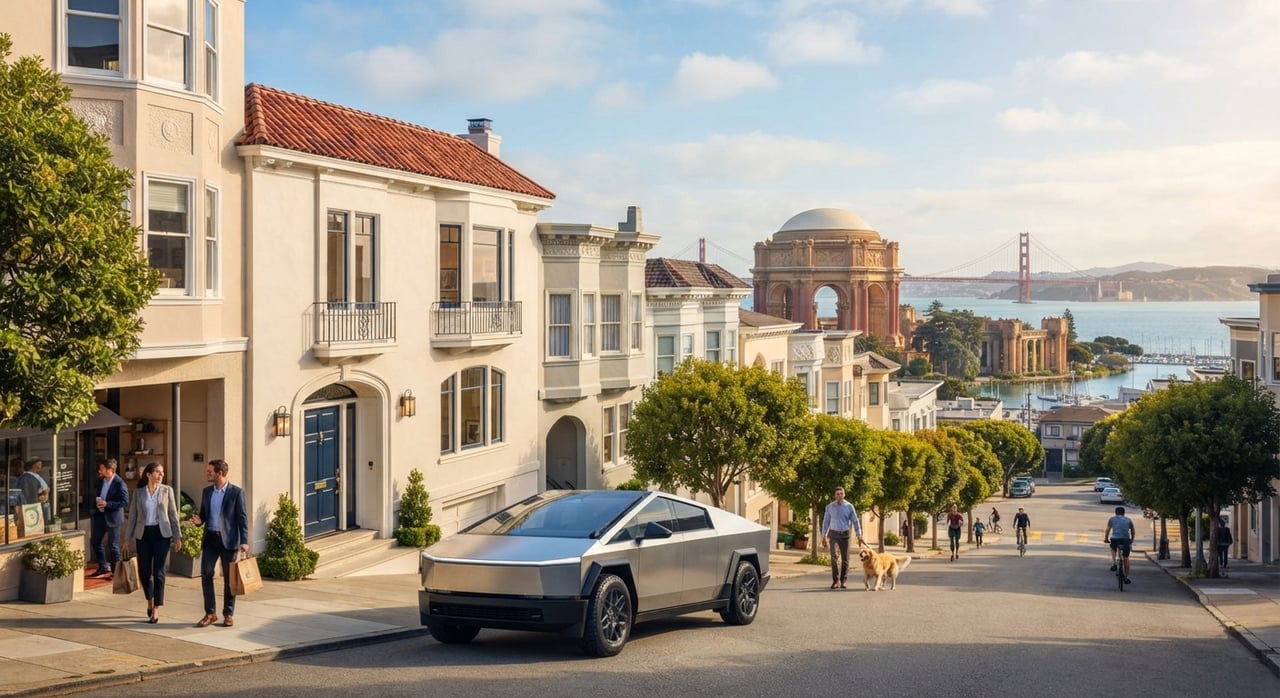
Fueled by massive equity payouts from giants like OpenAI and Anthropic, the Marina has become the premier destination for the new wave of tech wealth. If you are tracking San Francisco real estate trends, here is how the AI boom is rewriting the rules of the Marina property market.
1. Hyper-Competitive Bidding Wars and Record Luxury Sales
The influx of high-earning AI engineers, founders, and venture capitalists has turned the Marina into one of the tightest seller's markets in the country. Single-family homes and luxury condos in District 7A (the Marina and Cow Hollow) are experiencing unprecedented demand.
- Inventory Deficit: The neighborhood routinely operates on less than a two-week supply of single-family home inventory.
- Over-Asking Domination: Properties are selling at an average of 117% of their list price, with all-cash offers frequently pushing out traditional buyers.
- The Premium Effect: Waterfront and view-facing properties are seeing historic spikes. A recent standout transaction saw a Marina boulevard home list for $8 million and close at $15 million after a fierce bidding war.
For local sellers, this means premium valuations. For buyers, it requires institutional speed and highly competitive financing structures to get offers accepted.
2. A 3% Vacancy Rate and the Evolution of the "AI Hacker Mansion"
The tech industry's live-work culture has evolved past the traditional Silicon Valley garage. In the Marina, it has manifested as the luxury "hacker mansion."
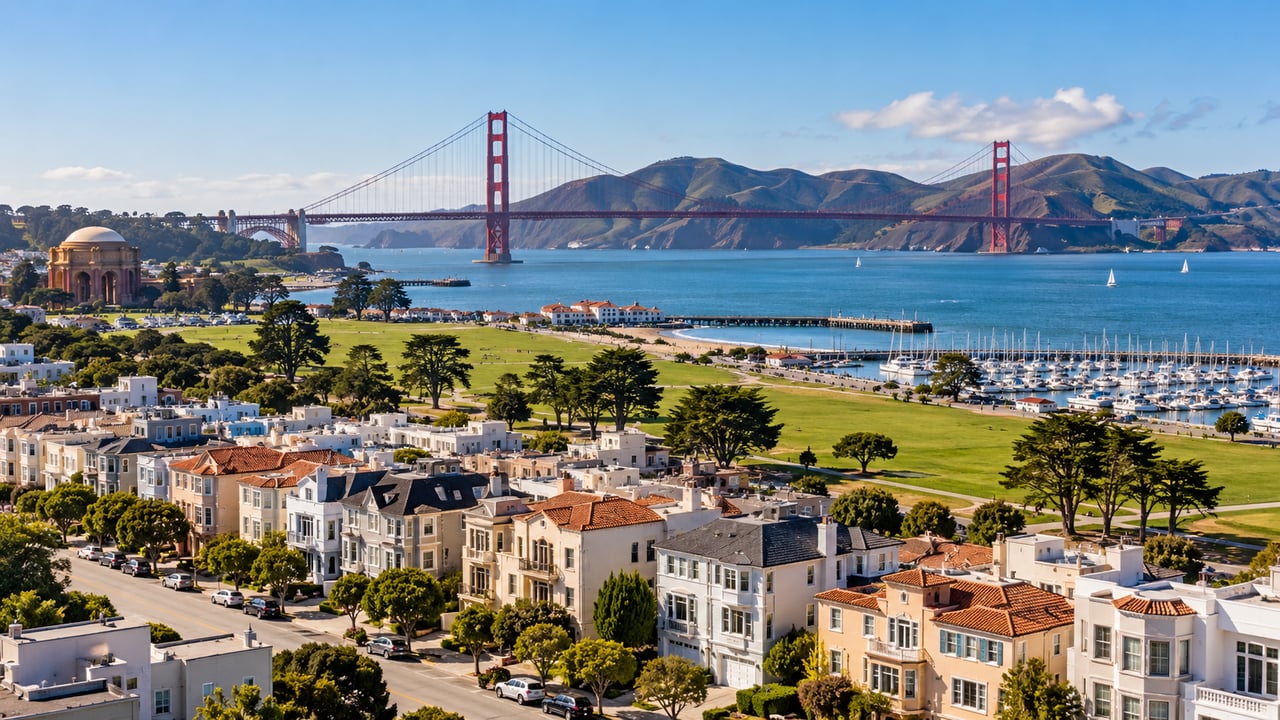
Well-funded startup teams are bypassing commercial office space entirely, choosing instead to lease multimillion-dollar residential estates to act as co-living incubators. For instance, the core engineering team behind 3D-modeling AI startup Adam operates entirely out of a $5.5 million Spanish-style villa overlooking the Palace of Fine Arts.
This trend has caused a dramatic contraction in the local rental market:
- The Vacancy Crunch: The Marina’s residential vacancy rate has plummeted to a mere 3%, a massive recovery from the double-digit vacancy rates seen in the early 2020s.
- Premium Rental Costs: The demand for shared founder spaces has driven individual room rentals in corporate-leased Marina homes upward of $3,400+ per month, pricing out traditional renters.
3. Pre-IPO Anticipation: The Next Wave of Millionaires
The current real estate squeeze is likely just the baseline. With Anthropic actively filing for its initial public offering and OpenAI advancing its long-term liquidity plans, local economists project these valuation events will create up to 12,000 new AI millionaires in San Francisco.
A significant portion of this anticipated liquid wealth is already being earmarked for luxury real estate. Buyers are specifically targeting properties in the Marina and neighboring Pacific Heights that feature modern wellness amenities, smart-home infrastructure, and proximity to the Presidio.
The Bottom Line for San Francisco Property Owners
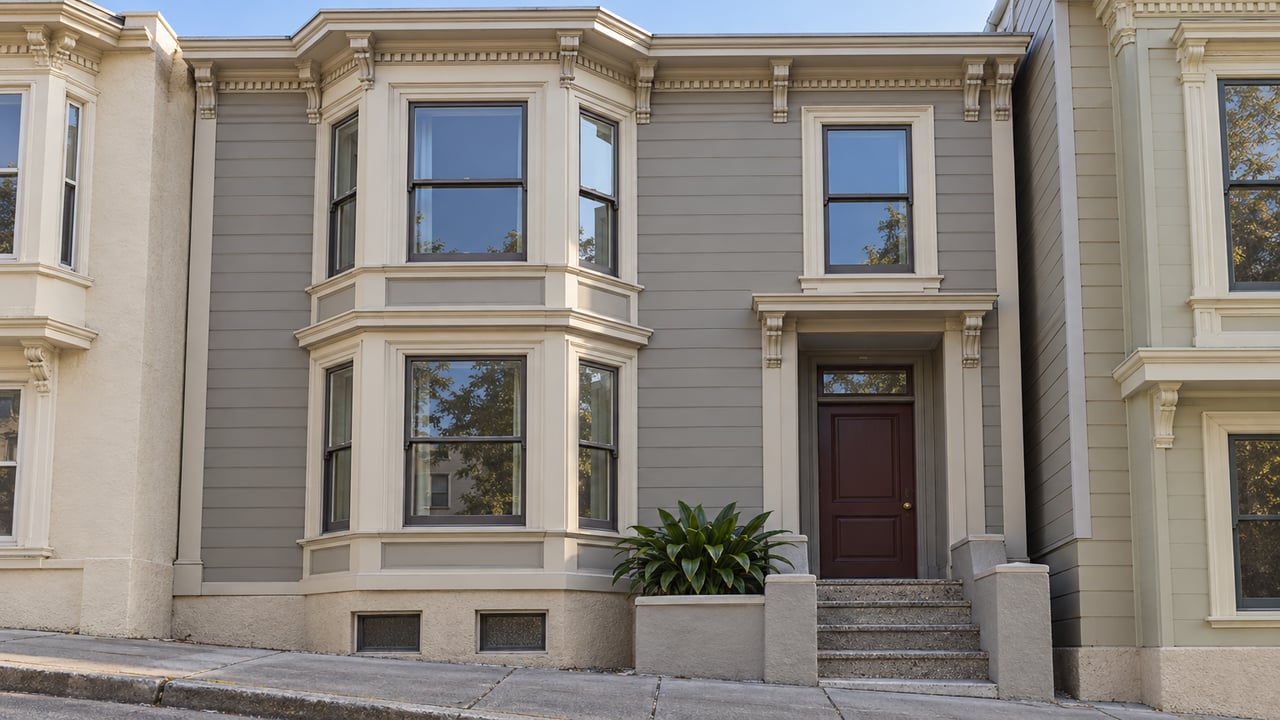
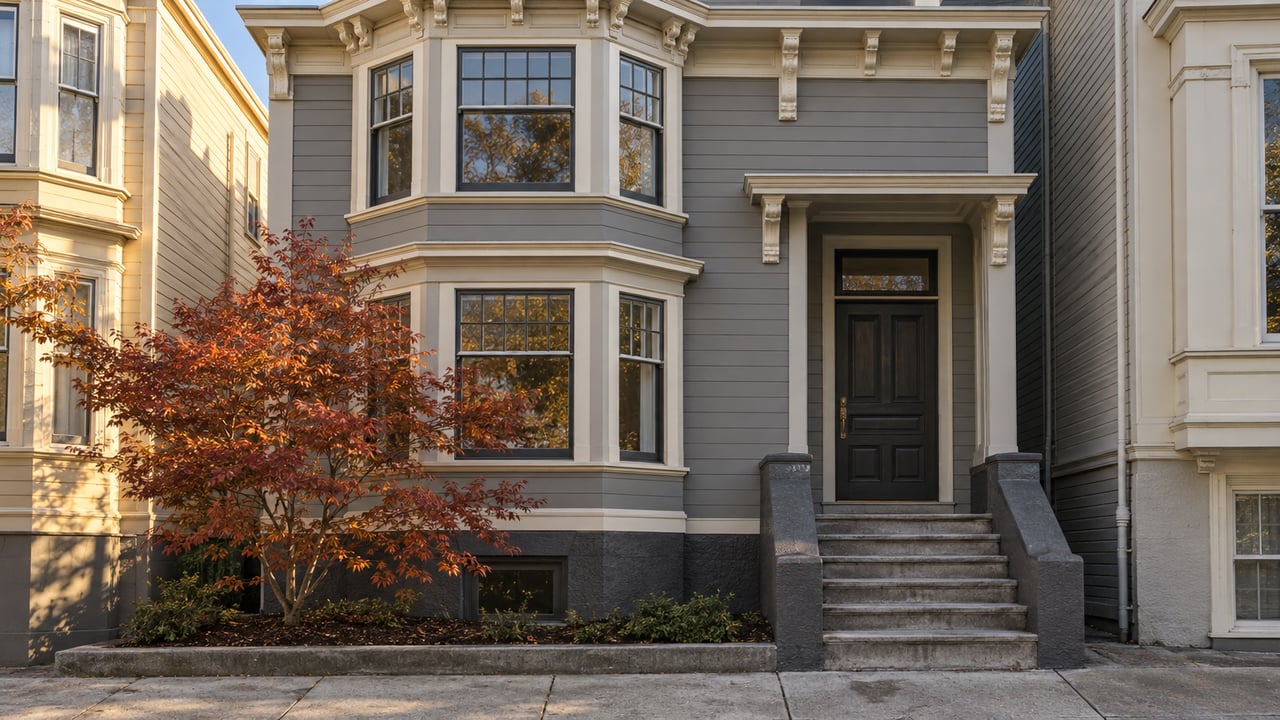
The Marina District’s combination of historic architecture, flat walkability, and vibrant retail corridors like Chestnut Street has always made it highly desirable. However, the current AI wealth injection has elevated it from a premium neighborhood to an elite, supply-constrained micro-market.
Whether you are looking to sell a multi-unit building, lease a luxury condo, or navigate a purchase in today's competitive landscape, understanding the mechanics of this tech-driven demand is essential to maximizing your return.